
|
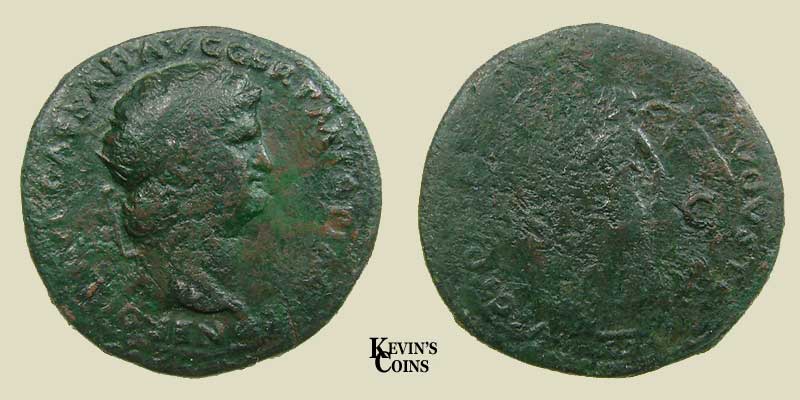
Dupondius (32mm 14.19g) Struck AD 64-66 Rome Obv: NERO CLAVD CAESAR AVG GER P M TR P IMP P P Radiate bust right Rev: VICTORIA AVGVSTI S C Victory flying left, right leg adv. rt holding wreath, left holding palm RIC I 199 Sear 1969 |
|
This coin is a Dupondius (a bronze Roman coin worth two 'as' coins) minted during the reign of Rome’s most infamous theater-loving emperor, Nero. Struck right in the middle of a chaotic and dramatic window of Roman history (AD 64–66), this little piece of metal actually tells a massive story about economic collapse, a blazing city, and a desperate imperial PR campaign! 1. The Great Fire of Rome (AD 64)The date of this coin is incredibly important. In July of AD 64, the Great Fire of Rome ripped through the city, destroying or damaging most of its districts. Rumors quickly spread that Nero himself had ordered the fire so he could clear land to build his sprawling, luxurious palace complex, the Domus Aurea (Golden House). To shift the blame, Nero famously scapegoated and persecuted the city's small, emerging Christian community. Rebuilding a charred capital city and paying for a massive new palace left Nero completely broke. 2. The Currency Reform (Why this coin looks the way it does)To fix his empty pockets, Nero executed a major financial shakeup in AD 64. He shrunk the size of silver and gold coins (essentially shortchanging the public) and completely revamped the base-metal, everyday pocket change. Before Nero, it was really hard to tell a dupondius (worth 2) apart from an as (worth 1) because they were close in size and color. Nero fixed this with a brilliant design choice you can see on the front of this coin: the radiate crown (the spiky sun-ray crown on his head).
3. Propaganda: "Victoria Augusti"On the back of the coin, you can see the goddess Victory flying through the air holding a wreath and a palm branch, surrounded by the letters S C (Senatus Consulto—meaning it was officially minted with the Senate's approval). Nero was desperately trying to brag about a victory to make himself look good after the fire. Historians tie this specific "Victoria Augusti" imagery to two major events happening right at this time:
SummaryWhen a Roman held this coin in AD 65, they were holding Nero's attempt to rebuild his image. The spiky crown told them exactly what it was worth in a newly struggling economy, while the image of Victory on the back tried to convince them that despite the ashes of Rome, their emperor was still winning. |
 in exergue
