|
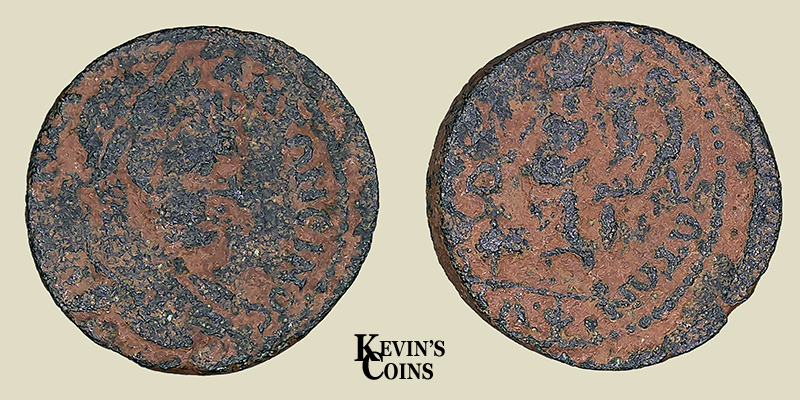
AE 24 (24mm, 10.92g) AD 218-222
Obv: ΑΥΤ Κ Μ Α ΑΝΤΩΝΕΙΝΟϹ laureate head of Elagabalus, right, with drapery
Rev: ΡΕΦΑΝΕΩΤΩΝ, ΒΛΦ Genius standing facing, head left, wearing kalathos, holding patera and cornucopia; at his feet, bull, left; on either side, eagle
RPC VI 8198
ex. Gem And I Coins
This bronze coin takes us straight to the heart of the Roman East! It’s an AE 24 (meaning a bronze coin about 24 millimeters wide) minted between AD 218 and 222 in the city of Raphanea, located in the ancient region of Syria Seleucis and Pieria (modern-day Syria).
This particular coin has a great connection to Elagabalus's rise to power and the local culture of the city. Here is the breakdown:
👑The Front (Obverse): The Teen Emperor
The front features a portrait of the young emperor:
- The Portrait: You see the laureate (crowned with laurel leaves) head of Elagabalus facing right, with some drapery visible on his shoulder. He looks like a typical Roman ruler here, masking his chaotic real life as a teenage religious zealot.
- The Text: The Greek inscription ΑΥΤ Κ Μ Α ΑΝΤΩΝΕΙΝΟϹ (Autokrator Kaisar Markos Aurelios Antoninos) translates to Emperor Caesar Marcus Aurelius Antoninus. This was his official imperial name, which his family gave him to link him to the highly respected Antonine dynasty (and hide the fact that his birth name was Varius Avitus Bassianus!).
The Back (Reverse): A City's Guardian Spirit
The reverse is packed with local civic and religious symbols that would have meant a lot to the people of Raphanea:
- The Genius: In the center stands Genius, the protective spirit or divine personification of the city. He is facing forward, looking left, and wearing a kalathos on his head (a basket-shaped crown symbolizing fertility and abundance).
- Symbols of Plenty: In his hands, he holds a patera (a shallow sacrificial dish) and a cornucopia (the horn of plenty), showing that under Roman rule and the city's protection, the people would have food and prosperity.
- The Holy Animals: At his feet is a small bull facing left, an animal deeply tied to local Syrian religious sacrifices. Flanking him on either side are two eagles, the sacred birds of Jupiter/Zeus and the ultimate symbol of Roman military might.
- The Text: The inscription reads ΡΕΦΑΝΕΩΤΩΝ (Rephaneōtōn), which means "[Coin] of the people of Raphanea."
- The Date Code: It also features the letters ΒΛΦ. In ancient Greek numerals, this stands for the year 532 of the local Seleucid calendar era, which pinpoints the exact year the coin was struck to AD 218/219—right at the very beginning of Elagabalus's reign!
The Historical Connection: Raphanea and the Rebellion
Raphanea wasn't just any random provincial city—it was a major military hub and the headquarters of the Legio III Gallica (the Third Gallic Legion).
This legion played a monumental role in Elagabalus's life. His grandmother, Julia Maesa, used her massive wealth to bribe this exact legion stationed nearby to rebel against the current emperor, Macrinus. The soldiers declared the 14-year-old Elagabalus emperor in May of AD 218.
Because this coin was minted in AD 218/219, it was likely struck right after that successful rebellion! It was Raphanea’s way of celebrating the local legion's victory and showing immediate loyalty to the brand-new teenage Syrian emperor.
|