|
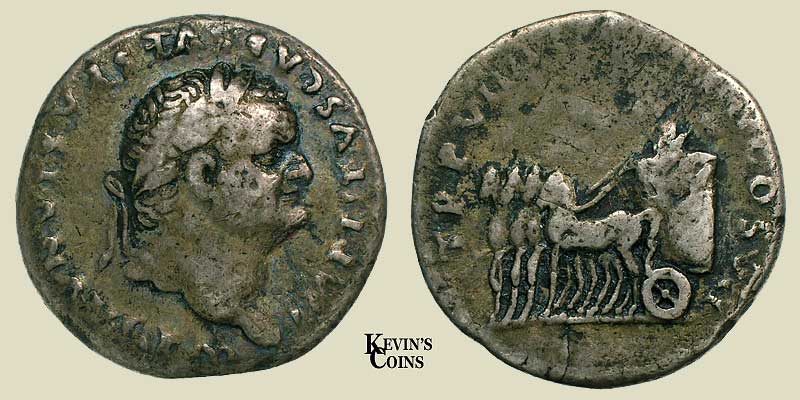
Silver Denarius (17mm 3.01g) Struck A.D. 79 Rome Obv: IMP TITVS VESPASIAN AVG P M Laureate head right Rev: TR P VIIII IMP XIIII COS VII Quadriga left with corn-ears in cart RIC II 6, Sear 2506
|
|
What makes this specific year so wild? 79 A.D. is the exact same year Titus became sole emperor after his dad died, and it's the year Mount Vesuvius erupted and buried Pompeii! Let's break down exactly what all those abbreviations and pictures on the coin mean: The Front (Obverse)This side features a classic portrait of Titus wearing a laurel wreath, which was like the ancient Roman version of a crown. Around the edge, the text reads: IMP TITVS VESPASIAN AVG P M
The Back (Reverse)The back features a Quadriga, which is a majestic chariot pulled by a team of four horses. Inside the chariot's cart, you can see ears of corn (grain). The text around the edge is basically a timestamp of his official political resume: TR P VIIII IMP XIIII COS VII
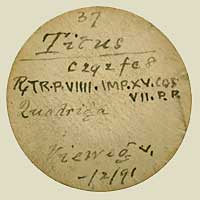
Why the Grain Chariot?In ancient Rome, food security was everything. If the grain supply from Egypt or North Africa failed, the people of Rome would riot. By putting a chariot filled with grain on his money, Titus was sending a big message to the public: "Don't worry, everyone! Under my rule, the food supply is safe, and Rome will prosper." Cool Extra FactThe little paper tag shown on that page mentions the William C. Boyd Collection. Boyd was a very famous English coin collector from the late 1800s and early 1900s. Having his tag means this specific coin has a great "provenance" (history of ownership), which is a huge bonus for coin nerds! |
Silver Denarius of Titus RIC 6